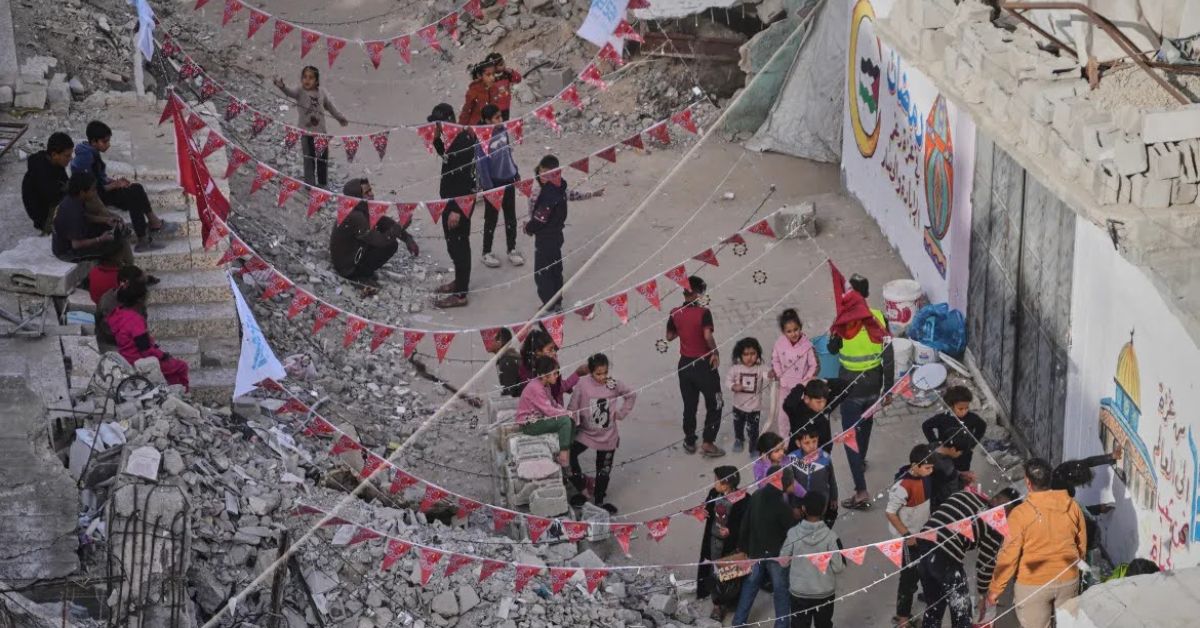
Ramadan in Gaza prioritises distributing iftar meals, clean water, and medical relief through humanitarian organisations to support families facing severe food shortages, water contamination, and overwhelmed healthcare facilities.
Quick Facts
- Basic food distribution helps families prepare iftar and suhoor meals
- Clean water access is critical due to contaminated local supplies
- Medical facilities face severe shortages of essential medicines and equipment
- Displaced families struggle with rising food prices and damaged infrastructure
- International relief and Zakat form the backbone of relief efforts
How Gaza Iftar Meals Reach Families During Ramadan
Gaza iftar meals represent more than just breaking fast; they’re often the only substantial food families receive each day. The humanitarian crisis has made basic ingredients like flour, rice, and cooking oil scarce and unaffordable for most households.
During the blessed month, the need for food intensifies. Families want to observe this month with proper meals, yet displacement and conflict have destroyed livelihoods and emptied savings. Many parents face the heartbreaking choice between feeding their children adequately or observing the fast themselves. This is where organised iftar meal distribution becomes a lifeline.
MATW distributes food parcels containing staples like flour, rice, lentils, oil, and dates, allowing families to prepare their own iftar and suhoor at home. These parcels are carefully designed to provide balanced nutrition and sufficient calories for families to maintain their strength throughout the fasting hours. Each food package typically feeds a family of five to seven people for several days, ensuring multiple iftar meals can be prepared with dignity.
For displaced families living in temporary shelters without cooking facilities, hot prepared meals delivered at iftar time ensure no one breaks their fast hungry. These ready-to-eat meals include protein sources, vegetables, and carbohydrates, providing the essential nutrients that fasting bodies desperately need after long daylight hours without food or water.
The logistics of delivering Gaza’s iftar meals face enormous challenges. Damaged roads, restricted access zones, and destroyed infrastructure make reaching every family difficult. Relief workers navigate dangerous conditions, coordinate with local volunteers, and work tirelessly to map out the most vulnerable communities. Distribution points are set up in areas where displaced families congregate, ensuring maximum reach with limited resources.
Despite these obstacles, MATW is on the ground getting food to the most vulnerable: widows who’ve lost their providers, orphans living in makeshift shelters, elderly residents too weak to search for food, and families living in temporary camps with no means to cook or store provisions. Each delivery represents hope and the acknowledgment that they haven’t been forgotten during this sacred month.
When you contribute to Gaza iftar meals, you’re not just providing sustenance; you’re enabling families to maintain their religious practice during the holiest month despite unimaginable hardship. Your donation preserves the spiritual dignity of Ramadan for those who have lost nearly everything else.
Why Clean Water Distribution Is Critical for Survival
Water scarcity in Gaza has reached crisis levels, making clean water distribution as urgent as food relief. The territory’s primary water source has become heavily contaminated, creating serious health risks that worsen during Ramadan when hydration is limited to non-fasting hours.
Contaminated water carries diseases like cholera, dysentery, and hepatitis, particularly dangerous for children and elderly residents. During Ramadan, when families have only the hours between iftar and suhoor to drink, access to safe water becomes even more critical. Dehydration combined with water contamination creates a deadly combination that can turn a simple stomach illness into a life-threatening emergency.
The water infrastructure in Gaza has suffered extensive damage. Wells have been destroyed, water treatment facilities lack power and chemicals to purify supplies, and distribution pipes lie broken beneath rubble. Families resort to drinking from questionable sources, risking their health because the alternative is severe dehydration during the fasting month.
Children are especially vulnerable. Their smaller bodies dehydrate faster, and their developing immune systems struggle to fight waterborne diseases. Pregnant and nursing mothers need clean water, not just for themselves but for their babies. The elderly, often managing chronic health conditions, cannot afford the additional burden of water-related illnesses.
Even a contribution of $50 can supply clean water to multiple families, protecting them from waterborne diseases during Ramadan. Water distribution happens daily, with trucks delivering to areas where infrastructure has collapsed completely. Volunteers fill containers for elderly residents who cannot carry heavy loads, ensuring everyone has what they need for suhoor and iftar.
The simple act of providing clean water restores dignity and enables families to observe Ramadan while staying healthy. It’s an investment in immediate survival and long-term community health, preventing disease outbreaks that could devastate already weakened populations.
Medical Relief Gaza: Supporting Healthcare Facilities
Medical relief in Gaza efforts focus on keeping healthcare facilities functional despite catastrophic shortages. Hospitals lack anaesthetics for surgeries, antibiotics for infections, and basic equipment for treating injuries. During Ramadan, when people are fasting and often weaker, medical needs become even more urgent.
Beyond medicines, hospitals need surgical supplies, bandages, IV fluids, and diagnostic equipment. Operating rooms cannot function without basic instruments. Emergency rooms cannot stabilise trauma patients without proper equipment. Even simple items like sterile gloves and disinfectants are in short supply, forcing medical staff to reuse supplies or work in conditions that risk infection.
MATW Project channels Ramadan Gaza donations into medical relief that reaches hospitals and clinics directly. Your contribution, starting from as little as $50, can supply medicines, surgical equipment, or emergency medical kits. During Ramadan, when giving is especially blessed, your Zakat to Gaza can literally save lives by keeping healthcare facilities operational. This commitment to transparency and delivery is part of our Amanah to our donors.
Every donation enables another surgery, treats another child’s infection, or provides another month of chronic disease medication. It’s steady, unglamorous work that makes the difference between life and death for families in Gaza. Medical workers, themselves fasting and often displaced, continue serving their communities because international support allows them to have something to work with.
FAQ
How do Ramadan Gaza donations reach families quickly?
MATW Project works on the ground in Gaza to deliver relief rapidly. Food parcels, water, and medical supplies are distributed to people who need help most urgently, ensuring Gaza iftar meals and essentials reach people within days of donation.
What does $50 provide for Gaza families during Ramadan?
A $50 donation can provide clean water for multiple families, contribute to iftar meal parcels with staple foods, or supply essential medicines to clinics. Even small contributions add up to a significant impact when combined with other donors’ support for medical relief in Gaza efforts.
Can I give my Zakat to support Gaza relief?
Yes, Zakat can be given to Gaza relief efforts as it directly helps those in poverty and crisis. Your Zakat supports Gaza iftar meals, clean water distribution, and medical relief for families who qualify as recipients under Islamic guidelines. The MATW Project ensures Zakat is distributed properly to eligible recipients.
Are Gaza iftar meals distributed to all families or only specific groups?
Priority goes to the most vulnerable: displaced families, widows, orphans, elderly residents, and those with no income or cooking facilities. However, the scale of the crisis means most families in Gaza need food support. MATW works to reach as many families as possible with available resources.
Conclusion
Ramadan in Gaza demands urgent support through iftar meals, clean water, and medical relief that keep families alive and observing this blessed month.
Make a difference with your Zakat starting at just $50 through the MATW Project to provide hope and help to Gaza families.