
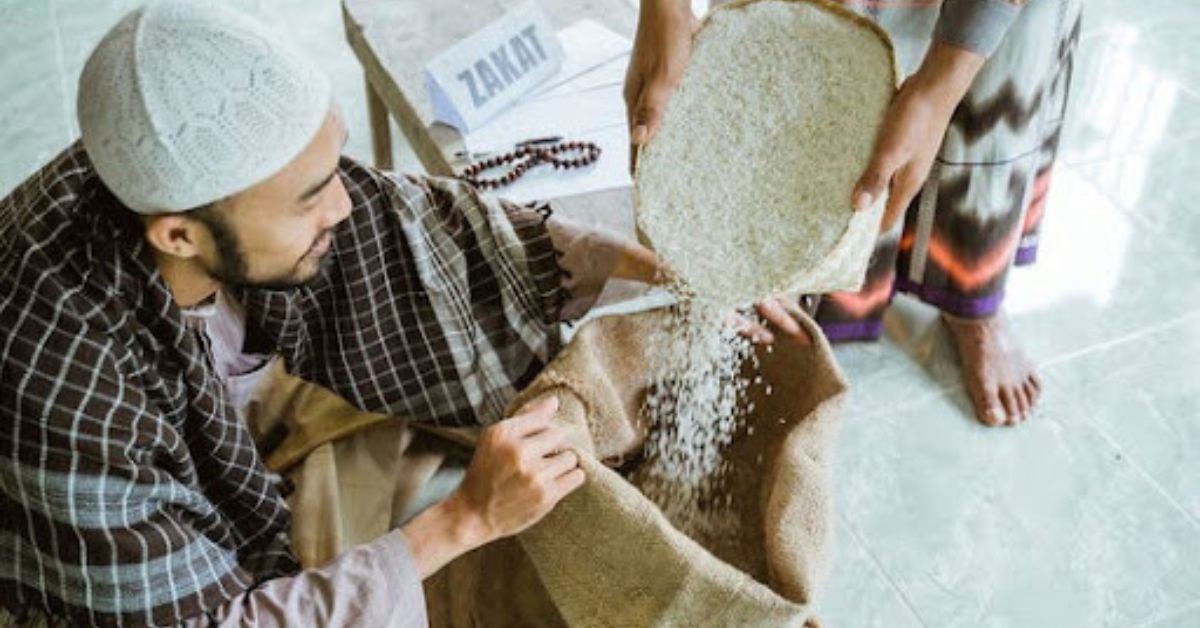
Pay your Zakat al-Fitr for Gaza at least 2-3 days before Eid prayer (by March 15-16, 2026) to allow local distribution teams time to purchase food staples, prepare packages, and deliver them to families before Eid begins.
Quick Facts About Zakat al-Fitr for Gaza
- Critical early payment: Gaza’s crisis conditions require earlier payment than normal to ensure timely distribution
- Absolute deadline: Must be paid before Eid prayer begins on March 19, 2026
- Recommended Gaza timing: Pay by March 15-16 for a reliable family delivery before Eid
- Food-based distribution: Fitrana provides staple foods, dates, and essentials, enabling a proper Eid celebration
- Local procurement: On-ground teams purchase supplies within Gaza when possible, supporting the local economy
Understanding Zakat al-Fitr Timing for Gaza’s Unique Circumstances
Every Muslim familiar with Zakat al-Fitr knows that it must be paid before Eid prayer begins. However, paying Fitrana for Gaza requires different timing considerations than giving locally. Understanding why early payment matters specifically for Gaza ensures your obligation reaches families when they need it most.
Islamic scholars agree on specific windows for paying this obligatory charity. The obligation becomes due at sunset on the last day of Ramadan (the moment of Eid arrival). The absolute deadline is before the Eid prayer begins the following morning. Payment after Eid prayer is late and counts as regular Sadaqah, not Fitrana.
Many scholars permit paying anytime during Ramadan, with some allowing payment even earlier. The flexibility exists because Zakat al-Fitr’s purpose is ensuring the poor can celebrate Eid; giving them funds or food early doesn’t undermine this goal.
Why Gaza Requires Earlier Payment
Gaza’s humanitarian catastrophe creates complications that don’t exist in stable environments. Severe restrictions on goods entering Gaza mean supplies are limited and unpredictable. Local markets have faded or operate sporadically with scarce inventory. Banking and financial systems function unreliably due to infrastructure damage.
These factors mean that organisations distributing Fitrana in Gaza need substantially more lead time than they would elsewhere. Money arriving three days before Eid can be converted into food purchases and distributed. Money arriving the day before Eid likely cannot reach families in time, making your Fitrana obligation technically unfulfilled.
MATW strongly recommend people pay their Zakat al-Fitr for Gaza by March 15-16, 2026, a full 2-3 days before Eid begins on March 19. This seemingly cautious timeline isn’t organisational inefficiency; it’s the minimum realistic window for ensuring distribution completes before Eid prayer.
What Your Fitrana Provides to Families
Traditional Zakat al-Fitr involves giving approximately 3kg of staple food per person, historically dates, barley, wheat, or other common grains. For Gaza families, your Fitrana payment provides essential staples they desperately need, such as rice, flour, lentils, and cooking oil.
The Prophet Muhammad specifically mentioned dates as an ideal Fitrana commodity, and dates hold special significance for breaking fast and Eid celebration. Your Fitrana for Gaza includes dates when available, allowing families to follow Sunnah by having dates for Eid morning breakfast and throughout the celebration.
While not technically part of the core obligation, many organisations bundle clothing with Fitrana distributions in crisis zones. In Gaza, where families have lost possessions, new Eid clothing becomes profoundly meaningful for children who have outgrown their garments.
How MATW Project Ensures Direct Delivery
People choosing to pay their Zakat al-Fitr through the MATW Project for Gaza benefit from established systems designed to meet early timing requirements. MATW launches Gaza-specific Fitrana campaigns during the last ten nights of Ramadan, explicitly communicating the recommended payment deadlines to donors.
Like all Zakat at MATW, Fitrana for Gaza operates under our 100% policy; every dollar designated as Zakat al-Fitr goes entirely to purchasing food, clothing, and essentials for eligible recipients. This ensures your religious obligation is fulfilled properly according to Islamic law while maximising the quantity of aid each Gaza family receives.
FAQ
What happens if I pay my Gaza Fitrana on the 29th night of Ramadan, is it too late?
Paying on the 29th night (March 18-19, 2026) is cutting it very close for Gaza distribution. While organisations will do their best, there’s a significant risk it won’t reach families before Eid prayer. Pay by March 27-28 to be safe.
Can I pay Fitrana for Gaza in early Ramadan, or must I wait until near Eid?
Yes, you can pay anytime during Ramadan, and for Gaza specifically, earlier is actually better. Early Ramadan payment gives organisations maximum time for procurement and distribution planning.
If organisations don’t distribute my Gaza Fitrana before Eid due to circumstances beyond their control, is my obligation still fulfilled?
If you paid with reasonable timing (2-3 days early) and the organisation made genuine efforts but failed due to uncontrollable circumstances, most scholars would consider your obligation fulfilled. However, it’s better to pay early enough to avoid this situation entirely.
Conclusion
Pay your Zakat al-Fitr for Gaza by March 27-28 to ensure food, dates, and essentials reach families before Eid prayer, fulfilling your obligation properly. Don’t delay your Fitrana for Gaza. Pay through the MATW Project now and ensure desperate families receive food and dignity before Eid arrives.